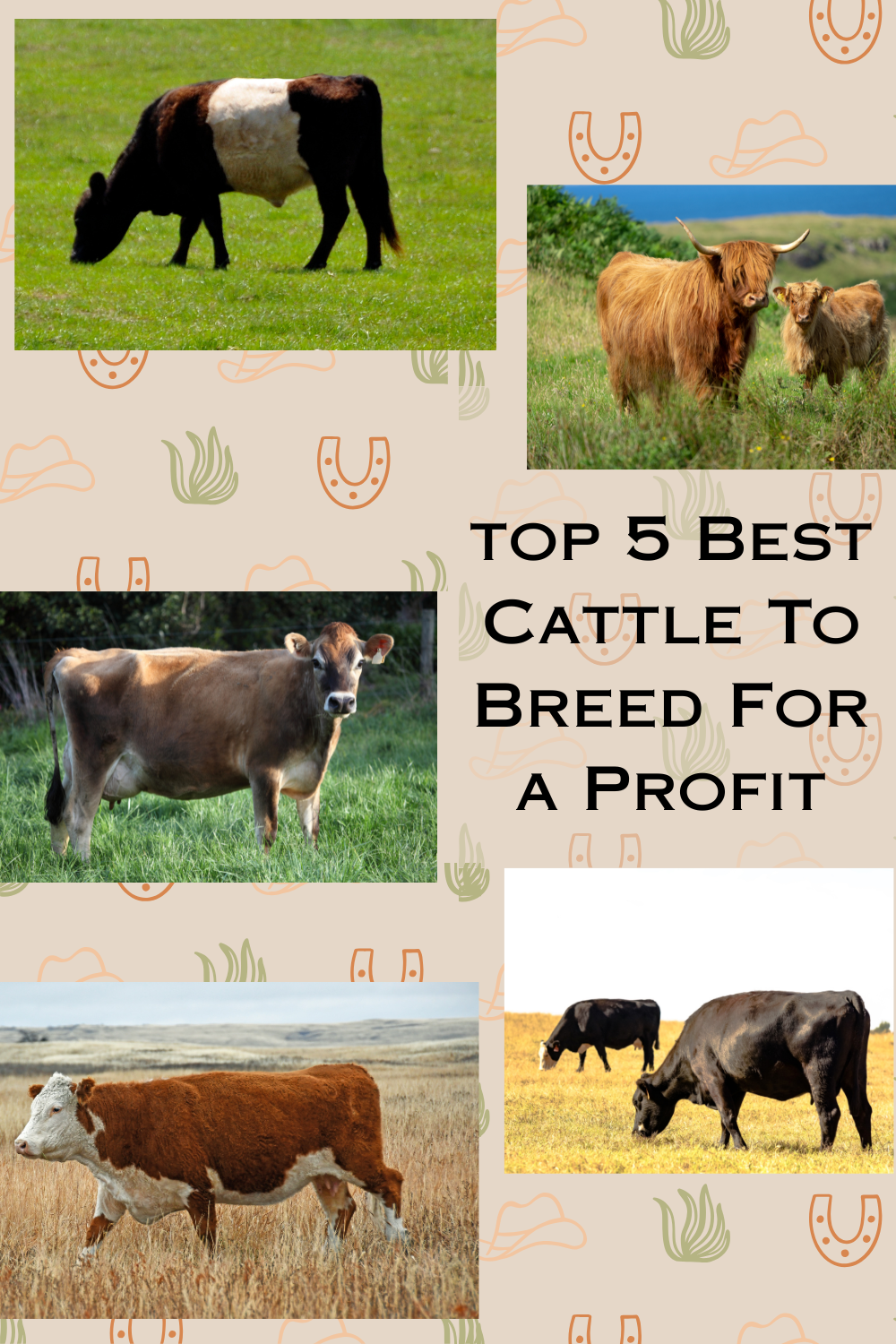
Choosing the Right Cattle for Your Homestead
When selecting a breed, consider these key factors:
1. Purpose
Are you raising cattle for milk, meat, or both?
- For milk: Jerseys, Guernseys, Brown Swiss.
- For beef: Angus, Hereford, Highland.
- For dual-purpose: Dexter, Red Devon, Milking Shorthorn.
2. Climate
Some breeds handle cold better (Highland, Galloway), while others thrive in warmer areas (Jersey, Red Devon).
3. Space & Feed
Smaller breeds like Dexters or Jerseys fit well on limited acreage. Larger breeds need more pasture and forage.
4. Temperament
Gentle cattle make homesteading safer and more enjoyable especially if you have children or limited handling facilities.
5. Availability
Choosing a breed readily available in your area helps with sourcing quality stock and breeding partners.
Tips for Raising Cattle on a Homestead
Veterinary Care: Regular checkups, vaccinations, and parasite control are key.
Start Small: Begin with one or two animals and learn their needs before expanding.
Provide Good Fencing: Cattle are strong use durable fencing to prevent escapes. DO NOT cut corners on this! Trust me you don’t want to get that 3am call that the cows are out.
Prioritize Pasture Health: Rotational grazing keeps pastures productive and reduces parasites.
Access to Clean Water: Always provide fresh, unfrozen water.
Shelter: Even hardy breeds need protection from wind and extreme weather.
1. Belted Galloway

Belted Galloway – The Profitable, Low-Maintenance “Oreo Cow”
Origin: Scotland
Type: Beef
Average Mature Weight: 1,000–1,800 lbs
Known affectionately as “Oreo cows” because of their striking white belt around a black (or sometimes red or dun) body, Belted Galloways are one of the most distinctive and practical beef breeds you can raise. But don’t let their unique looks fool you, these cattle are built for efficiency, longevity, and profit.
Breed Overview
Belted Galloways originated in the rugged hills of southwestern Scotland, where cold, wind, and sparse forage shaped them into one of the hardiest and most self-sufficient beef breeds on Earth. They were bred to survive on rough pastures that would challenge most cattle, making them perfect for small farms, homesteads, and grass-fed operations.
Why Belted Galloways Are Profitable
- Low Feed Costs:
Galloways are exceptional foragers and can thrive on pasture alone, even in poor grazing conditions. Their double-layered coats (a coarse outer coat and soft undercoat) help them conserve body heat, meaning they use feed energy for growth, not staying warm. This efficiency translates into lower winter feed bills and reduced overhead. - High-Quality Grass-Fed Beef:
The beef from Belted Galloways is naturally lean but still tender and flavorful. Because they finish well on grass without grain supplementation, they’re ideal for the grass-fed beef market, which commands premium prices. Consumers increasingly seek local, grass-finished, sustainable beef exactly what Galloways excel at producing. - Longevity and Durability:
Many Galloway cows remain productive for 15 years or more, calving annually without complications. This long lifespan spreads your investment cost over many productive years, improving herd profitability. - Niche Market Appeal:
Their striking appearance and premium beef make them excellent for direct-to-consumer marketing. Farmers who sell at local markets, farm stands, or online often find that “Oreo cows” are a brand unto themselves.
Exceptional Calving Ease
One of the biggest advantages of raising Belted Galloways — especially for small-scale operations or beginner farmers — is their remarkable calving ease.
- Small Birth Weights, Strong Calves: Galloway calves are born smaller than many beef breeds (average 60–75 lbs), which minimizes calving problems.
- Excellent Maternal Instincts: Galloway cows are attentive, protective mothers with strong milk production, ensuring high calf survival rates.
- Low Intervention Needed: Most Belted Galloway cows calve unassisted, even in pasture settings. This reduces the need for veterinary help and the stress of managing difficult births.
- Quick Recovery: Cows bounce back quickly after calving and rebreed easily, maintaining consistent herd productivity year after year.
For homesteaders or anyone managing cattle without full-scale ranching infrastructure, easy calving means peace of mind and fewer losses.
Temperament and Handling
Belted Galloways are calm, intelligent, and easy to handle an important trait for small farms where families or inexperienced handlers are involved. They respond well to low-stress management and are less likely to become aggressive compared to some larger or more reactive beef breeds.
Their docile temperament also makes them excellent for rotational grazing systems, where cattle are frequently moved between paddocks. They adapt easily to handling routines, making them ideal for regenerative or small-scale operations.
Adaptability and Climate Resilience
Because of their thick, insulating double coat, Galloways thrive in cold and wet climates from northern states to high-altitude pastures. Unlike many other beef breeds, they don’t need heavy winter housing or grain to maintain body condition.
In warmer climates, they naturally shed their thick undercoat during spring, keeping them comfortable in heat as long as shade and water are provided.
Crossbreeding Benefits
Belted Galloways also make excellent candidates for crossbreeding programs. When crossed with larger continental breeds like Charolais or Limousin, the hybrid offspring often gain the best of both worlds:
- Easy calving from the Galloway side,
- Increased growth rate and size from the larger breed, and
- Retained hardiness and meat quality.
These crossbred calves tend to grow quickly, stay hardy on pasture, and produce high-value carcasses — boosting profit margins.
Economic Advantages at a Glance
| Trait | Belted Galloway Advantage |
|---|---|
| Feed Efficiency | Thrive on grass, minimal grain required |
| Calving Ease | Small birth weights, unassisted births |
| Beef Quality | Lean, tender, flavorful grass-fed meat |
| Climate Tolerance | Exceptional in cold and wet environments |
| Lifespan | 15+ productive years |
| Market Value | High in niche, grass-fed, and local beef markets |
| Temperament | Calm and easy to manage |
Best Fit For:
- Homesteaders looking for hardy, low-maintenance beef cattle.
- Grass-fed beef producers targeting premium or local markets.
- First-time cattle owners wanting an easy-to-manage, docile breed.
- Regenerative farmers focused on soil health and rotational grazing.
Final Thoughts on Belted Galloways
If your goal is to raise profitable beef cattle without the high input costs of grain, machinery, or intensive management, Belted Galloways are one of the smartest choices you can make. They require minimal intervention, reproduce reliably, and produce high-quality beef that’s in growing demand among health-conscious consumers.
Combine their low feed costs, easy calving, long lifespan, and market appeal, and you’ve got a breed that’s not just beautiful — it’s built for sustainable profit.
2. Hereford

Hereford – The Dependable, Profitable Beef Breed for Every Farm
Origin: Herefordshire, England
Type: Beef
Average Mature Weight: 1,200–1,800 lbs
Disposition: Docile, hardy, and easy to handle
If there’s one breed that embodies the words dependable and profitable, it’s the Hereford. Recognized instantly by their red bodies and white faces, Herefords are one of the oldest and most successful beef breeds in the world. They’re often called the “farmer’s breed” because of their adaptability, gentle temperament, and consistent returns qualities that make them ideal for both large ranchers and small homesteads.
Why Herefords Are So Profitable
1. Efficient Feed Conversion
Herefords are extremely efficient grazers. They’re known for their ability to convert grass into beef more effectively than many other breeds. They thrive on pasture-based systems, which helps reduce feed costs, one of the biggest expenses in beef production.
They maintain good body condition even on rough forage or during dry seasons, making them ideal for grass-fed or regenerative grazing systems.
2. Adaptability to Climate
Few breeds handle diverse climates as well as the Hereford. They’re equally at home in cold northern pastures, dry rangelands, or humid southern regions. Their thick hides protect them from harsh weather, while their efficient metabolism helps them tolerate heat surprisingly well.
This makes them a low-risk investment you can raise Herefords almost anywhere.
3. Excellent Mothering and Calving Ease
Herefords are renowned for easy calving and strong maternal instincts. Cows rarely require assistance, which means fewer vet bills and less labor. Calves are vigorous at birth, quick to nurse, and resilient — improving survival rates and weaning weights.
A Hereford cow’s gentle nature also makes calving season far less stressful for farmers or homesteaders managing small herds.
4. Docile Temperament
Temperament matters and Herefords consistently score among the calmest beef breeds. They’re easy to handle, less prone to panic or aggression, and work well with small-scale or beginner farmers.
Gentle cattle are safer, easier to manage, and require less specialized equipment or labor all of which boost profitability in the long run.
5. High Beef Quality
Hereford beef is known for its excellent flavor, tenderness, and marbling. While it’s typically leaner than Angus, it still offers rich flavor and texture that consumers love. When properly finished, Hereford beef competes favorably in quality and carcass yield.
For farmers selling directly to consumers or local butchers, the “Hereford” name carries a trusted reputation that helps attract buyers.
6. Longevity and Productivity
Herefords are long-lived, with many cows remaining productive for 12–15 years or more. Their hardiness and consistent calving records make them reliable long-term assets. A single Hereford cow can raise a healthy calf year after year, contributing steady income to your herd without frequent replacements.
7. Excellent Crossbreeding Potential
One of the biggest reasons Herefords dominate the beef industry is their crossbreeding value. When bred with Angus cattle, they produce Black Baldy calves — black-bodied with white faces — considered some of the most desirable and high-performing crossbreds in beef markets.
These hybrids combine the marbling and meat quality of Angus with the hardiness and feed efficiency of Herefords, creating offspring that are both productive and profitable.
Economic Advantages at a Glance
| Trait | Hereford Advantage |
|---|---|
| Feed Efficiency | Excellent grass-to-beef conversion |
| Calving Ease | Low birth weights, minimal assistance needed |
| Beef Quality | Tender, flavorful, consistent carcass quality |
| Temperament | Calm and easy to handle |
| Hardiness | Performs well in diverse climates |
| Longevity | Long productive lifespan (12–15 years) |
| Market Demand | High — especially as crossbred calves |
| Maintenance Costs | Low compared to many larger breeds |
Herefords and Small-Scale Farms
For homesteaders or part-time farmers, Herefords are almost the perfect beef animal. Their calm temperament, low maintenance, and grass efficiency make them easy to raise on modest acreage.
Herefords don’t require intensive feeding programs or specialized handling facilities. They thrive in rotational grazing systems, improve pasture quality, and pair well with regenerative farming methods.
Because they calve easily and are good mothers, a small herd of Herefords can sustain itself for years with minimal assistance — a major benefit for anyone working toward self-sufficiency.
Grass-Fed and Direct Market Appeal
In the era of local food and sustainable farming, Hereford beef fits the bill perfectly. It’s naturally flavorful, lean, and well-suited to grass-fed programs. Consumers who care about animal welfare and sustainability are drawn to pasture-raised Hereford beef because of the breed’s reputation for calmness, outdoor hardiness, and ethical raising practices.
If you market directly to local consumers, branding your beef as “Hereford Grass-Fed” can add perceived value and help your farm stand out.
Tips for Raising Profitable Herefords
- Start with Quality Stock:
Purchase your first animals from reputable breeders who focus on good genetics and conformation. - Utilize Rotational Grazing:
Rotate pastures to improve forage regrowth and soil health — Herefords are excellent grazers for regenerative systems. - Crossbreed Smartly:
Consider adding Angus bulls or cows to create high-demand Black Baldy calves. These crosses often bring premium prices at auction. - Sell Locally:
Market your beef directly to consumers, restaurants, or local stores to earn more per pound than traditional sales channels. - Keep Records:
Track calving, growth rates, and weaning weights to identify your top-performing cows and optimize your breeding program.
Fun Fact
Herefords were the first English cattle breed to be exported globally, and their genetics helped establish many other popular beef breeds worldwide. Their bloodlines appear in hundreds of registered cattle herds around the world — a testament to their unmatched reliability and adaptability.
Final Thoughts on Herefords
Herefords are the workhorse of the beef world rugged, calm, and efficient. They’re not flashy or trendy, but they deliver steady, predictable profits year after year. For beginners and seasoned ranchers alike, Herefords offer a balance of performance, hardiness, and marketability that’s hard to beat.
If your goal is to raise beef cattle that practically take care of themselves, breed easily, and produce premium-quality beef with minimal inputs, the Hereford deserves a place in your pasture.
3. Maine Anjou

Maine Anjou – The Gentle Giants of the Beef World
Origin: France
Type: Dual-purpose (beef and milk, now primarily beef)
Average Mature Weight: 1,400–1,800 lbs
Disposition: Calm, intelligent, and easy to manage
If you’re looking for a breed that offers size, muscle, and striking appearance without sacrificing docility or mothering ability, the Maine Anjou is a top contender. Known as the “gentle giants” of the beef world, these cattle combine excellent growth rates, superior carcass quality, and a calm temperament, making them a favorite among both commercial producers and show cattle enthusiasts.
Physical Characteristics
Maine Anjous are large-framed cattle with a distinctive red-and-white color pattern, though solid black or red animals have become increasingly popular due to modern breeding trends. They have a broad, deep body, straight topline, and strong legs all signs of structural soundness and efficient beef production.
Despite their size, they are remarkably docile, which makes them easier to handle than many other large breeds.
Why Maine Anjous Are So Profitable
1. Exceptional Growth and Feed Efficiency
Maine Anjous are known for their rapid weight gain and efficient feed conversion. They can reach impressive weights on moderate feed, making them ideal for producers focused on feedlot performance or grass-fed beef systems.
Their ability to efficiently turn feed into high-quality muscle means lower costs per pound of beef gained, which directly translates into higher profit margins.
2. Superior Carcass Quality
This breed consistently produces heavily muscled carcasses with excellent marbling and tenderness. Maine Anjou beef often grades Choice to Prime, which earns premium prices in the marketplace.
The balance of muscle and intramuscular fat creates meat that is both lean and flavorful perfect for consumers who want quality beef without excess fat.
3. Outstanding Crossbreeding Potential
One of the reasons Maine Anjou genetics are so valuable is their ability to improve other breeds. When crossed with Angus, Hereford, or commercial cows, Maine Anjou sires add frame size, muscling, and carcass yield, while maintaining good maternal traits.
Crossbred calves are typically more uniform, heavier at weaning, and highly marketable often outperforming purebreds in both feedlots and show rings.
4. Docile and Easy to Handle
Despite their impressive size, Maine Anjous are known for their gentle temperament. They are calm around people, easy to halter train, and very manageable on small farms.
This makes them especially popular among 4-H and FFA youth who raise cattle for shows their combination of good looks and good behavior makes them a winner in the barn and the ring alike.
5. Excellent Maternal Qualities
Maine Anjou cows are fertile, long-lived, and excellent mothers. They produce plenty of milk, ensuring calves grow quickly and remain healthy. Calves are usually vigorous at birth and grow rapidly due to the breed’s strong genetics and maternal instincts.
Cows typically calve without difficulty, especially when bred carefully to balance birth weights with frame size.
6. Adaptability
Though they originated in the cooler climates of France, Maine Anjous adapt well to a wide range of environments from the cold northern plains to southern pastures. Their dense hair coat offers protection from the cold, while selective breeding in North America has improved their heat tolerance.
This flexibility makes them suitable for diverse operations, from large-scale beef farms to homesteads seeking a dual-purpose animal.
Economic Advantages at a Glance
| Trait | Maine Anjou Advantage |
|---|---|
| Feed Efficiency | Excellent weight gain on pasture or feedlot |
| Carcass Quality | High marbling, Choice–Prime grades |
| Temperament | Calm and intelligent |
| Crossbreeding | Adds muscle, milk, and hybrid vigor |
| Calving Ease | Good, especially with moderate sires |
| Maternal Traits | Strong milk production, excellent mothers |
| Market Demand | Strong for both purebreds and crossbreds |
| Show Potential | High — very popular in youth and breed shows |
Maine Anjous on Small Farms and Homesteads
Although they’re large-framed animals, Maine Anjous can be an excellent fit for small farms due to their easygoing temperament and feed efficiency. Their calm nature makes daily handling and pasture rotation simple, even for beginner cattle owners.
For homesteaders interested in selling beef directly to consumers, the Maine Anjou’s consistent carcass quality and impressive appearance help build trust and repeat business. Consumers often associate the breed’s name with premium beef and ethical animal care, especially when raised on pasture.
Show Ring Superstars
The Maine Anjou breed is also one of the most successful in the show cattle world. Their combination of frame size, muscling, and smooth structure makes them a top pick for youth livestock projects and national competitions.
Many championship show steers and heifers have Maine Anjou genetics often crossed with Angus or Simmental for that ideal blend of mass, shape, and style. Even outside the show world, these genetics help produce cattle that are visually appealing, structurally sound, and high-performing in commercial herds.
Raising Maine Anjou for Profit
- Select Balanced Genetics:
Choose bloodlines bred for moderate birth weights and sound structure. This reduces calving issues while maintaining muscle and growth. - Cross for Hybrid Vigor:
Maine Anjous excel when crossed with Angus, Simmental, or Hereford breeds. The result? Calves with outstanding feed efficiency, muscle tone, and disposition. - Market to Niche Buyers:
Offer grass-fed Maine Anjou beef or specialty cuts directly to consumers. Highlight their premium marbling and tenderness to stand out from generic beef. - Show and Sell:
Consider raising a few calves for the show circuit. High-quality Maine Anjou cattle often bring premium prices as breeding stock after the show season. - Focus on Pasture Management:
As large animals, they thrive on good-quality forage. Use rotational grazing to maintain soil health and maximize growth potential.
Fun Fact
The Maine Anjou breed is so admired for its beef quality that it played a key role in developing composite breeds across the world. For example, the MaineTainer (a cross between Maine Anjou and other beef breeds) combines Maine Anjou’s muscle with other breed-specific strengths, creating cattle that are hardy, efficient, and ideal for modern beef production.
Final Thoughts on Maine Anjou Cattle
The Maine Anjou is a powerhouse of performance combining size, muscle, temperament, and quality into one beautiful package. They’re equally at home on large ranches, small family farms, and in the show barn.
Whether you’re aiming to raise top-quality beef, breed show-winning cattle, or develop a line of crossbred calves for the commercial market, the Maine Anjou offers unmatched versatility and profitability.
Strong, smart, and stunning the Maine Anjou truly earns its nickname as the gentle giant of the beef world.
4. Highlanders

Scottish Highland Cattle – The Hardy Homestead Favorite
Origin: Scottish Highlands
Type: Beef
Average Mature Weight: Cows 1,000–1,300 lbs
Disposition: Gentle, intelligent, hardy
With their long, shaggy coats, sweeping horns, and gentle temperaments, Scottish Highland cattle are as iconic as they are practical. While they may look like something out of a storybook, Highlanders are incredibly tough, low-maintenance, and profitable for small-scale farmers and homesteaders looking to raise quality beef naturally.
🐮 A Brief History of the Highland
Highland cattle are one of the oldest registered cattle breeds in the world, with records dating back to the 1700s in Scotland. They evolved in the harsh, cold, and wet Highlands — a region that shaped them into one of the hardiest and most efficient grazing breeds known today.
Their double-layered coat and efficient metabolism helped them survive on sparse vegetation in freezing temperatures, making them a breed that thrives where others struggle. Today, Highland cattle can be found all over the world, from the snowy mountains of Canada to the warm pastures of Texas — a testament to their incredible adaptability.
🌾 Why Highland Cattle Are Perfect for Homesteads
Highlanders were bred for self-sufficiency, and that same trait makes them ideal for homesteaders, small farms, and regenerative ranchers. They require minimal inputs, handle extreme weather, and are among the easiest cattle breeds to care for.
Here’s why Highlanders are so valuable:
1. Remarkable Hardiness
Highlands can thrive in harsh conditions that would challenge most breeds. Their thick, insulating coat allows them to live outdoors year-round even in snow and freezing winds without losing condition.
Because of their natural insulation, they use far less feed energy to stay warm, which means more energy goes into growth and beef production. This efficiency translates to lower feed costs and less dependence on expensive winter housing.
2. Excellent Foragers
Highland cattle are natural browsers and grazers, capable of thriving on rough pasture, brush, or land that’s unsuitable for other livestock. They’ll happily graze steep hillsides, eat weeds, and even clear overgrown land turning poor forage into high-quality beef.
This makes them ideal for land management or regenerative agriculture projects, where their grazing habits help restore soil health and biodiversity.
3. Premium Grass-Fed Beef
Though smaller than some commercial breeds, Highland cattle produce exceptionally tender, lean, and flavorful beef. The meat is naturally lower in fat and cholesterol but rich in flavor often described as having a “buttery” texture and fine marbling.
Highland beef is prized in gourmet and grass-fed markets, often fetching premium prices due to its quality and heritage appeal. For direct-to-consumer homestead operations, Highland beef can be a high-margin niche product.
4. Calving Ease
Highland cows are renowned for easy calving one of the top reasons they’re recommended for small farmers and first-time cattle owners.
- Smaller Birth Weights: Calves typically weigh 50–70 lbs at birth, reducing the risk of complications.
- Strong Maternal Instincts: Cows are protective but gentle mothers with strong milk production.
- High Calf Survival: Calves are hardy from day one, with thick coats and strong immune systems.
Because of this, Highlanders require minimal human assistance during calving, saving time, money, and stress.
5. Longevity and Productivity
Highland cows often remain productive well into their late teens, far longer than most commercial beef breeds. Many cows calve annually into their 15th or even 18th year, making them a long-term investment that keeps returning value season after season.
Their longevity means lower replacement costs and a more stable, sustainable herd over time.
6. Docile and Easy to Handle
Don’t let the horns fool you — Highland cattle are famously gentle and intelligent. They respond well to calm, consistent handling and often develop strong bonds with their caretakers.
This docility makes them excellent for small-acreage farms, family operations, or even educational farms where children are involved in daily chores. Their calm nature also reduces stress-related weight loss and improves overall meat quality.
🌍 Adaptability: From Snow to Sun
While Highland cattle are known for their cold tolerance, they adapt surprisingly well to warm climates when properly managed. Their thick undercoat naturally sheds in spring, leaving a lighter outer coat that helps them handle summer heat.
With adequate shade and water, Highlanders can live comfortably even in southern regions, making them a true all-climate breed.
💰 Profitability and Market Value
Though Highlands grow slower than some modern beef breeds, their low input costs and high-quality beef balance out the difference. They’re especially profitable for:
- Direct-to-consumer beef sales (grass-fed, organic, or heritage beef)
- Breeding stock (registered Highlands sell for premium prices)
- Land management or grazing leases
- Agritourism or homestead marketing (people love their distinctive look!)
Many small farms also find success selling Highland beef halves and quarters, as well as promoting farm tours, photography sessions, and social media content featuring these striking animals — all of which generate supplemental income.
⚖️ Economic Advantages at a Glance
| Trait | Highland Advantage |
|---|---|
| Feed Efficiency | Thrive on poor forage and pasture alone |
| Calving Ease | Small calves, low intervention |
| Temperament | Gentle, docile, easy to manage |
| Climate Tolerance | Excellent cold resistance, adaptable to heat |
| Beef Quality | Lean, flavorful, premium grass-fed |
| Longevity | 15+ productive years |
| Land Management | Clear brush and improve soil health |
| Marketing Appeal | Visually striking, easy to promote |
🧬 Crossbreeding Potential
Highland cattle are also excellent for crossbreeding programs. When crossed with larger continental breeds (like Angus, Simmental, or Charolais), the offspring often gain:
- Highland hardiness and calving ease
- Increased hybrid vigor and growth rate
- High-quality, tender beef
- Calm temperament
Crossbred Highland calves often finish faster while retaining the breed’s resilience and beef quality — a winning combination for small-scale producers seeking higher yields.
🌱 Highland Cattle in Sustainable and Regenerative Farming
Highlands are a natural fit for regenerative grazing systems. Their ability to graze diverse plants, manage brush, and enrich soil through manure makes them powerful tools for land restoration.
Because they can thrive without grain or heavy inputs, they’re ideal for farmers aiming for low-carbon, grass-fed beef systems. Their gentle grazing habits also prevent overgrazing and promote healthy pasture rotation.
🐂 Fun Fact
Highland cattle have two layers of hair — a long, coarse outer layer that repels rain and snow, and a soft, downy undercoat that keeps them warm. This natural insulation allows them to thrive in conditions that would challenge nearly any other cattle breed — all without needing extra fat to stay warm. That’s why Highland beef is so lean yet still tender.
❤️ Final Thoughts on Highland Cattle
Few breeds combine beauty, hardiness, and profitability the way Highland cattle do. They’re gentle enough for beginners, tough enough for rugged land, and valuable enough to build a profitable niche business around.
For homesteaders who want low-maintenance, easy-calving cattle that produce premium beef, Highlanders are hard to beat. Their old-world charm is just the icing on the cake — these cattle are as practical as they are picturesque.
5. Jersey

🐄 Jersey Cattle – The Golden Milk Producers of the Homestead
Origin: Island of Jersey (English Channel)
Type: Dairy (with beef potential)
Average Mature Weight: Cows 800–1,200 lbs
Disposition: Gentle, intelligent, curious
When it comes to homestead dairy breeds, Jersey cattle are in a class of their own. Small, efficient, and full of personality, Jerseys are best known for producing rich, golden milk that’s high in butterfat and ideal for making butter, cream, cheese, and yogurt.
But Jerseys aren’t just for the milk bucket their low feed requirements, adaptability, and docile temperament make them one of the most practical and rewarding breeds for small-scale and family farmers.
🌿 A Brief History
The Jersey breed originated on the Island of Jersey, located between England and France. The island’s farmers selectively bred their cattle for milk quality rather than quantity prioritizing high butterfat content and rich flavor.
The result was a breed that produced exceptionally creamy milk from minimal feed an efficiency trait that remains unmatched today. Jerseys were first imported to the United States in the early 1800s and quickly became a favorite among family dairies and creameries for their economical production and premium milk quality.
🧈 Why Jerseys Are Perfect for Homesteads and Small Farms
1. Exceptional Milk Quality
Jersey milk is world-famous for its rich, creamy texture and beautiful golden hue — a color that comes from high beta-carotene content.
- Butterfat Content: 4.8–5.4% (some cows even higher!)
- Protein Content: 3.8–4.2%
- Ideal for: Butter, cheese, cream, and other value-added dairy products
This makes Jerseys the ultimate homestead milk cow for families who want to make their own dairy products. Compared to Holsteins (which produce more volume but lower fat), a Jersey’s smaller daily yield often produces more usable cream and butter per gallon.
2. Efficiency and Low Feed Costs
Jerseys are smaller-framed cattle, which means they eat less than larger dairy breeds yet still produce a surprising amount of milk.
They are incredibly feed efficient, converting grass, hay, or pasture into high-quality milk better than nearly any other dairy breed. For homesteaders or pasture-based dairies, this efficiency can mean 50% less feed cost compared to large commercial cows.
In other words: less feed in, more cream out.
3. Perfect Size for Small Farms
Because they’re smaller (usually under 1,000 lbs), Jerseys are much easier to manage and house than bigger breeds like Holsteins or Brown Swiss. They require less pasture space, smaller barns, and lighter equipment a major advantage for homesteads where every square foot and dollar counts.
Their smaller size also means less damage to pastures and fencing, making them easier on your land.
4. Gentle and Intelligent Temperament
Jerseys are well known for their sweet, curious, and affectionate nature. They’re often described as “dog-like” because they quickly bond with their caretakers and enjoy attention.
Their calm temperament makes milking and handling easy even for beginners. However, like all cattle, they should still be treated with respect and handled calmly, as their intelligence can also make them sensitive to stress or sudden changes.
5. Easy Calving and Strong Calves
Jersey cows are known for easy calving due to their smaller calf size and wide pelvis. Calves are usually vigorous and quick to stand and nurse — especially purebred or Jersey-cross calves.
This makes Jerseys ideal for homesteaders who want a breed that won’t require veterinary help during calving season.
6. Beef Value and Dual-Purpose Potential
While Jerseys are primarily dairy cows, they also have surprising value as dual-purpose animals. Jersey steers and cull cows produce lean, tender, and flavorful beef that’s popular in farm-to-table and grass-fed markets.
Jersey-cross calves (especially crossed with Angus, Hereford, or Limousin bulls) grow quickly and yield well-marbled beef — often with the rich flavor and fine texture consumers love. Many homesteaders use Jersey crosses to maintain milk supply while producing profitable beef calves.
🧮 Economic Advantages at a Glance
| Trait | Jersey Advantage |
|---|---|
| Feed Efficiency | Requires 25–50% less feed than large dairy breeds |
| Milk Quality | High butterfat, protein, and beta-carotene |
| Calving Ease | Small calves, low risk of complications |
| Fertility | Early maturity and excellent conception rates |
| Temperament | Gentle, affectionate, intelligent |
| Space Requirement | Ideal for small barns and limited pasture |
| Beef Quality | Tender, flavorful beef (especially in crosses) |
| Longevity | Long productive lifespan, often 10+ years |
🌾 Adaptability and Hardiness
Despite their dainty looks, Jerseys are surprisingly tough. They thrive in both hot and cool climates and adapt well to pasture-based or confinement systems. Their lighter build makes them less prone to heat stress than heavier dairy breeds, and they perform exceptionally well in rotational grazing systems.
Jerseys also have strong immune systems and lower rates of lameness and mastitis compared to some high-production breeds, which helps reduce vet costs and downtime.
🧬 Crossbreeding Benefits
Many farmers cross Jerseys with beef breeds like Angus, Hereford, or Simmental to produce hardy calves that combine:
- The Jersey’s easy calving and docile nature
- The beef breed’s muscle and growth rate
- Excellent hybrid vigor and marketability
These Jersey-cross calves are popular in grass-fed beef programs for their marbling, tenderness, and efficiency on forage-based diets.
🧈 Homestead Milk Magic
If you love homemade dairy products, Jersey milk is your best friend. Here’s what you can make with ease:
- Butter: High-fat milk means more butter per gallon.
- Cream & Ice Cream: Jersey cream is rich and naturally sweet.
- Cheese: High protein levels make for excellent curds and higher yields.
- Yogurt: Thick, creamy, and rich in flavor without added thickeners.
Even one Jersey cow can provide 4–6 gallons of milk per day, more than enough for a family’s needs, with extra to sell or share.
❤️ The Personality Factor
Jerseys have a charm that few other cattle breeds can match. They’re bright-eyed, curious, and full of personality often following their owners around the pasture or greeting them at the gate. Many homesteaders say their Jerseys feel more like companions than livestock.
Their intelligence also makes them easy to train for hand-milking or stanchion routines, and they learn quickly with gentle handling.
🐄 Final Thoughts on Jersey Cattle
If you want a breed that combines efficiency, temperament, and quality, the Jersey is hard to beat. They’re the ideal homestead cow small enough to manage easily, hardy enough for outdoor living, and productive enough to supply rich, golden milk for your family (and customers).
Add their long lifespan, gentle nature, and versatility, and it’s easy to see why Jerseys have been cherished for centuries not just as dairy producers, but as part of the family.
